


Venice Carnival Traditions Explained
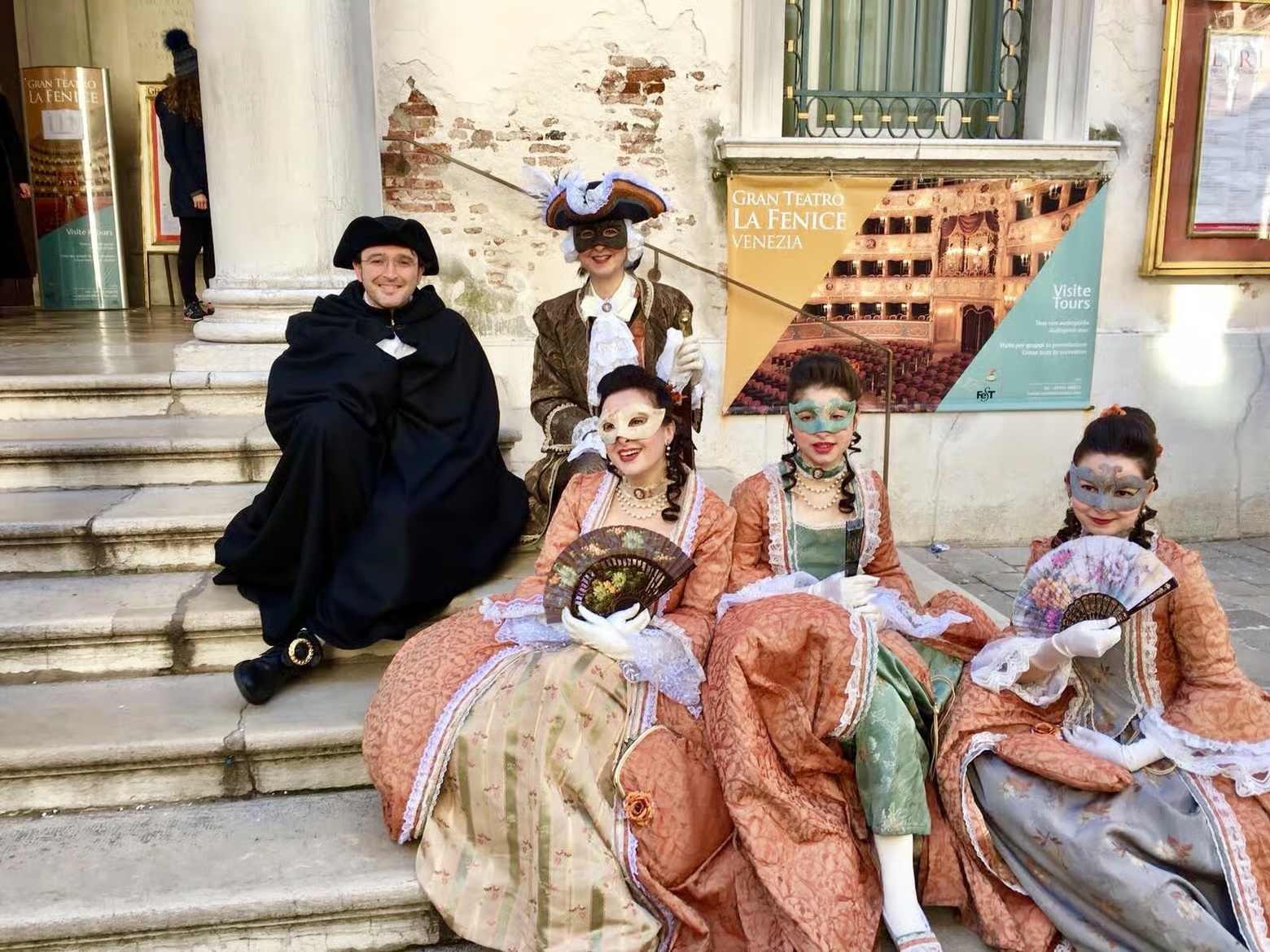
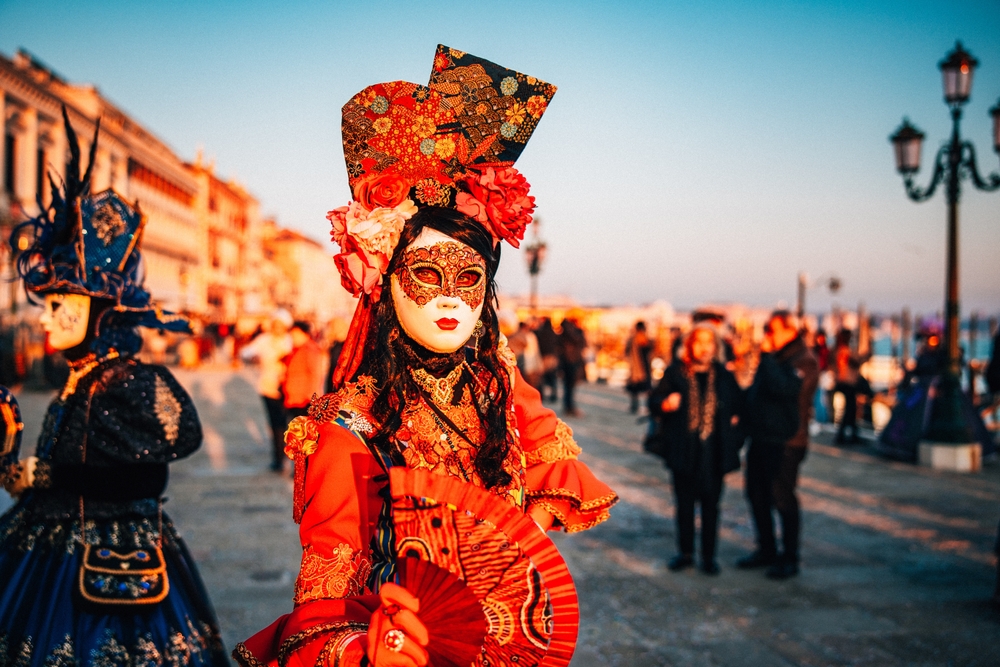
Venice Carnival dates back to the 11th century and became famous for its anonymity and freedom. Masks allowed Venetians of all social classes to mix without distinction, a tradition that still defines Carnival today.
Key traditions include:
Top 7 Things to Do During Venice Carnival
Venice Carnival is not just an event; it’s a citywide spectacle where history, art, and theater blend seamlessly into everyday life. These experiences truly define Carnival in Venice and help you understand why it’s considered the most elegant carnival in the world.
1. See Carnival in Piazza San Marco
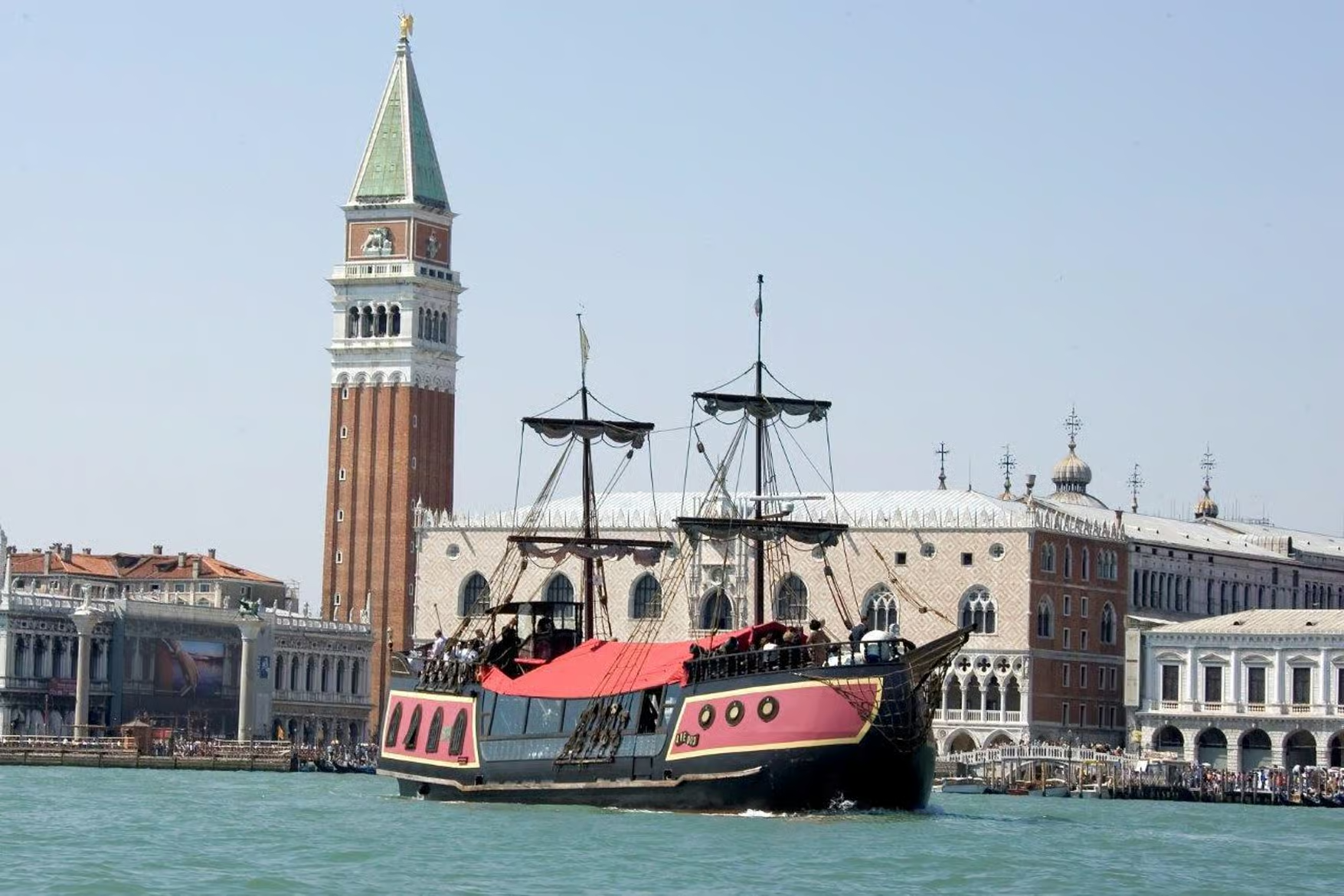
During Carnival, Piazza San Marco becomes the symbolic stage of Venice. Masked figures gather for parades, live music, acrobatics, and historical performances set against the backdrop of St. Mark’s Basilica and the Doge’s Palace. Early mornings offer a calmer, almost surreal atmosphere for photography, while evenings bring music, lights, and a dramatic, festive energy that feels straight out of a period film.
- For a deeper understanding of Carnival traditions and the stories behind the masks, explore the guided walking tours available here. →
2. Attend a Venetian Masked Ball
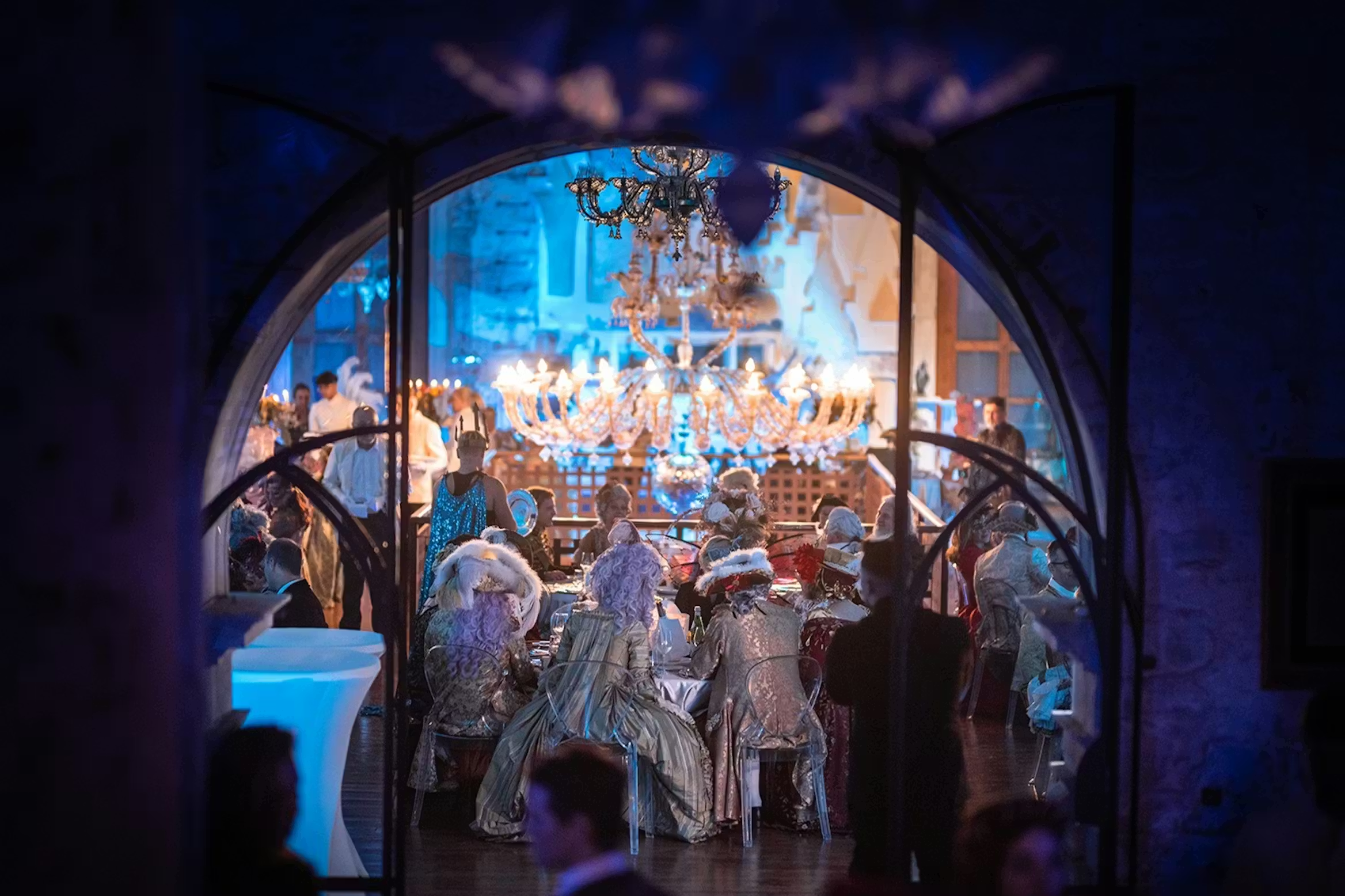
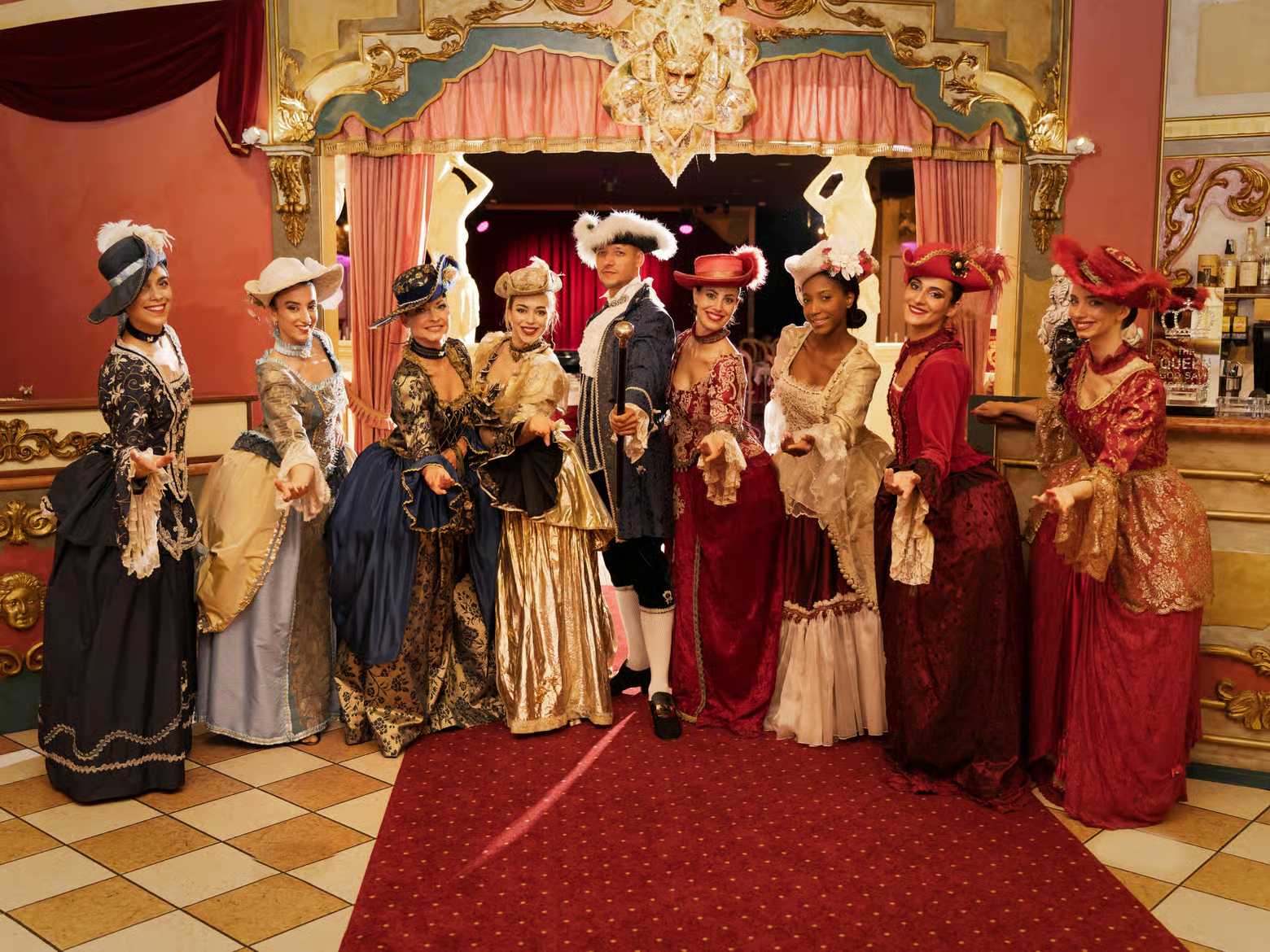
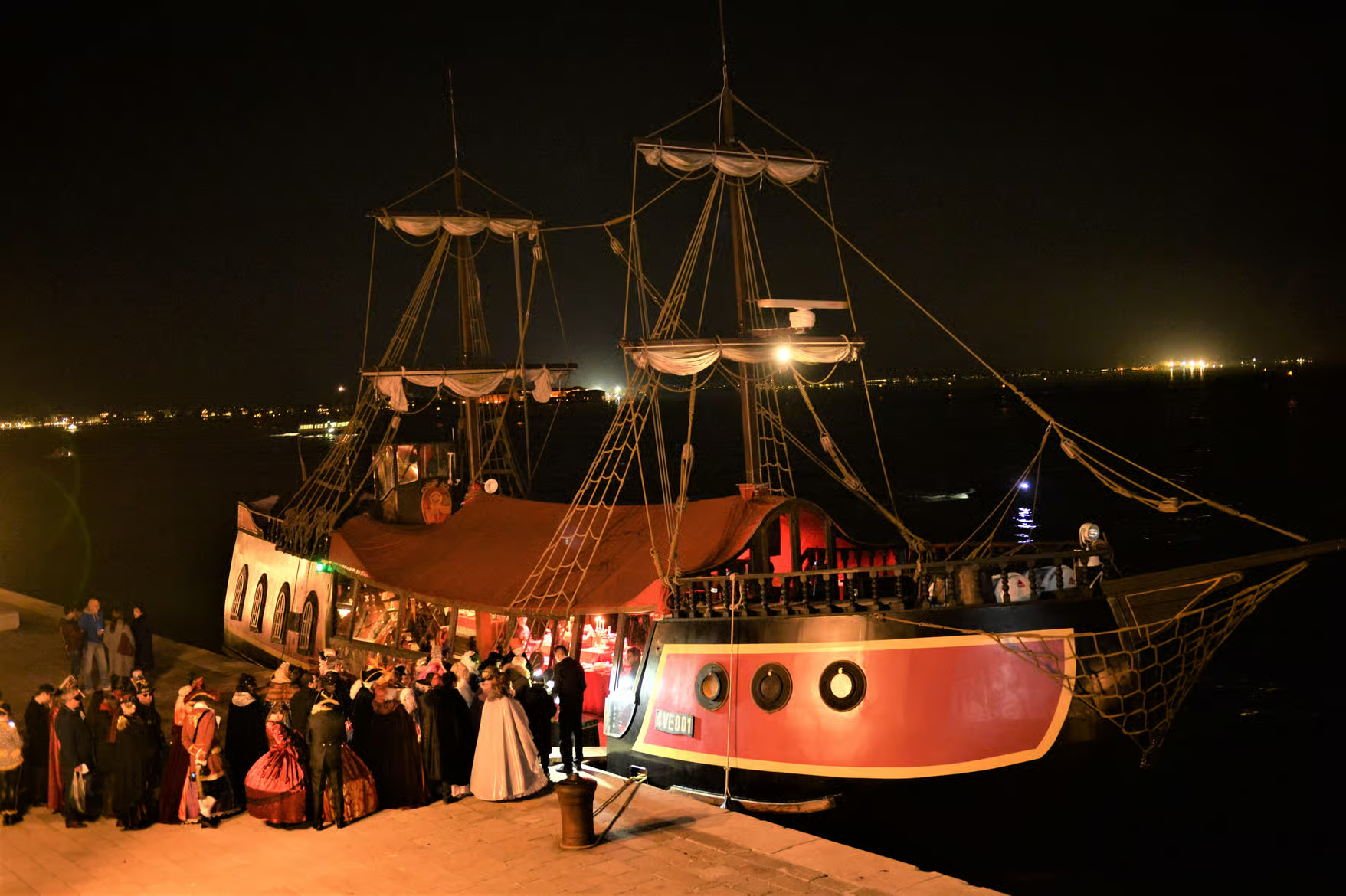
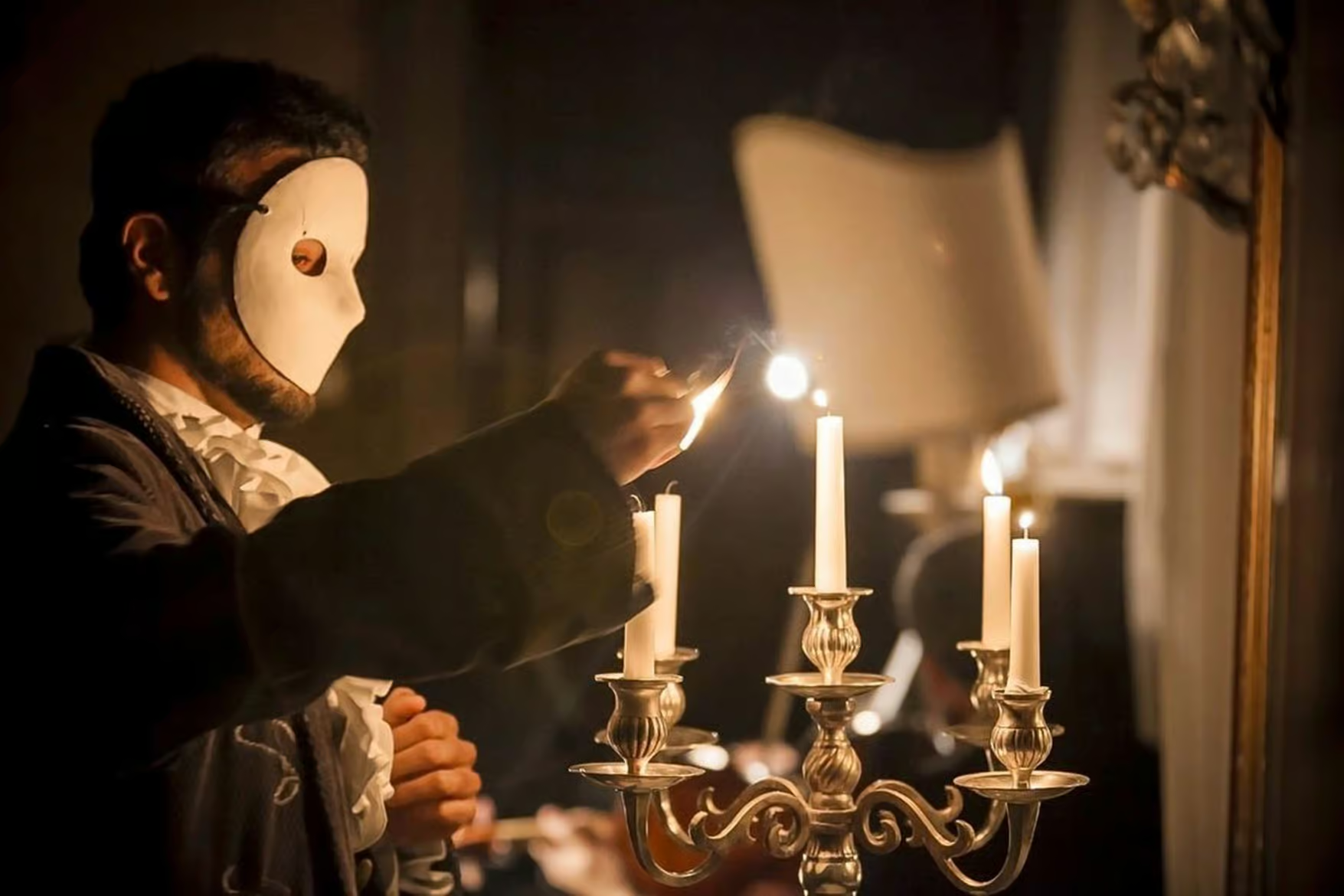
Attending a masked ball is the most immersive way to experience Venice Carnival. These exclusive events take place inside historic palaces, where guests dress in elaborate 18th-century costumes and masks. Expect candlelit halls, classical music, theatrical performances, and a refined atmosphere inspired by Venice’s aristocratic past. It’s not just a party, but a carefully curated cultural experience rooted in centuries of tradition.
- To experience Carnival at its most elegant, browse the exclusive masked balls and gala dinner events featured on this page. →
3. Make and Wear Your Own Venetian Mask
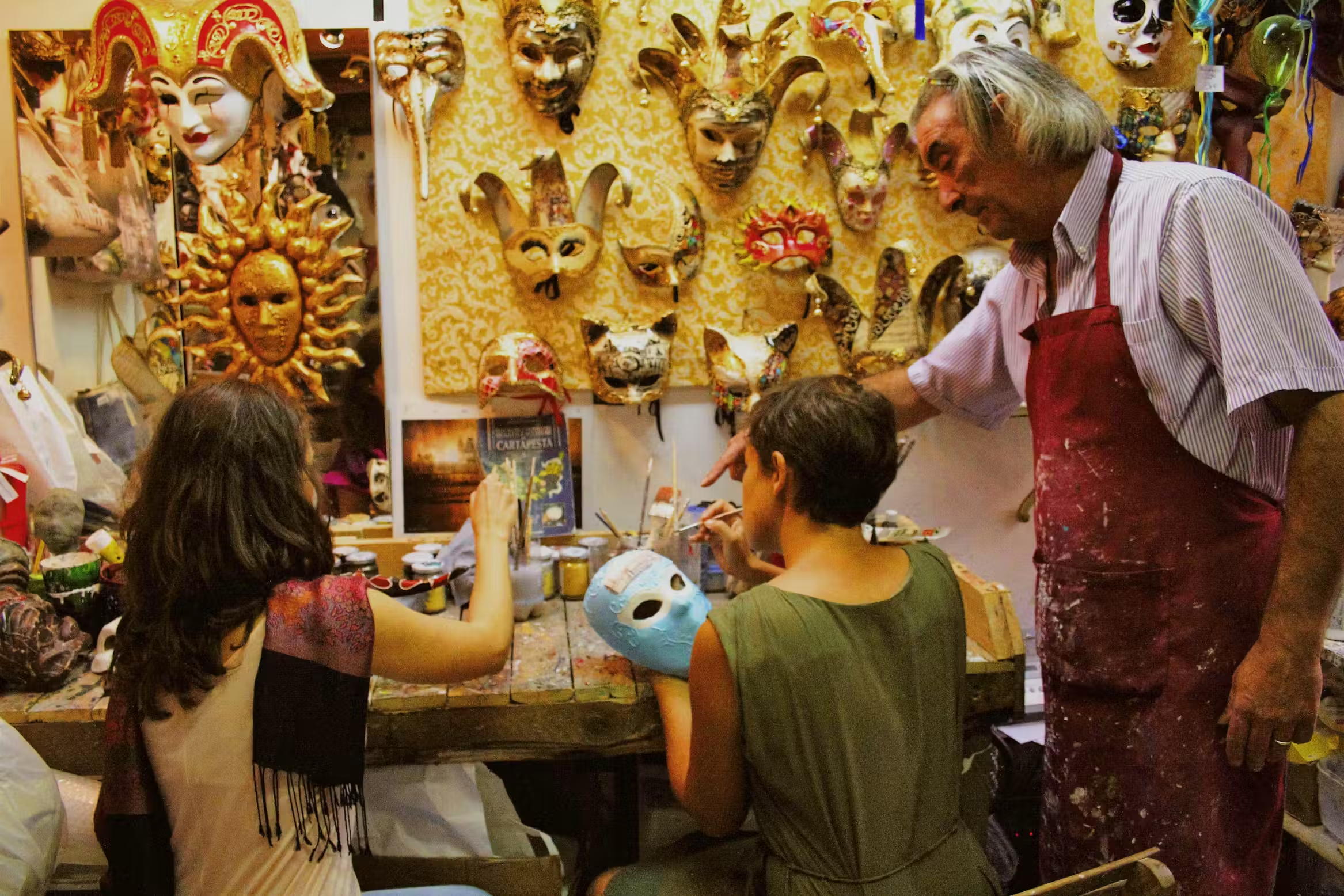
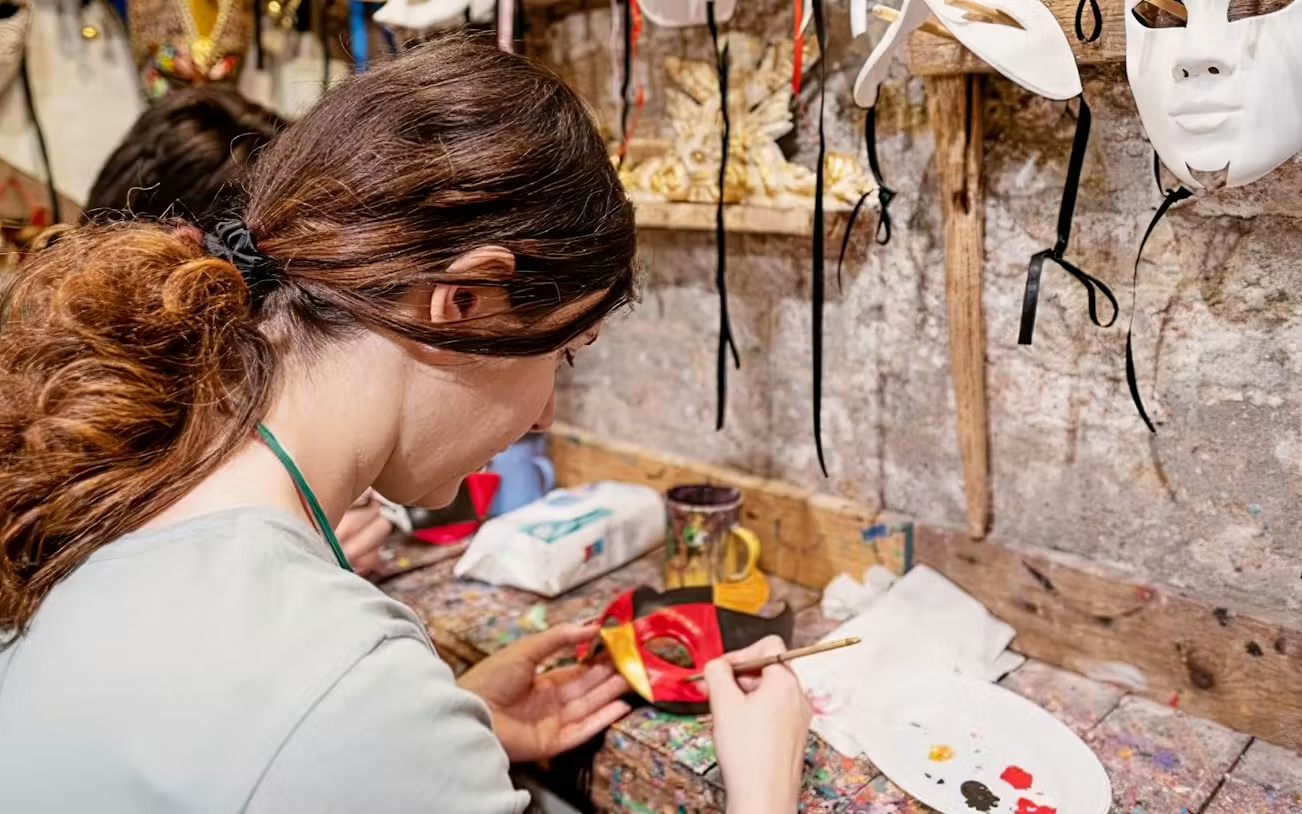
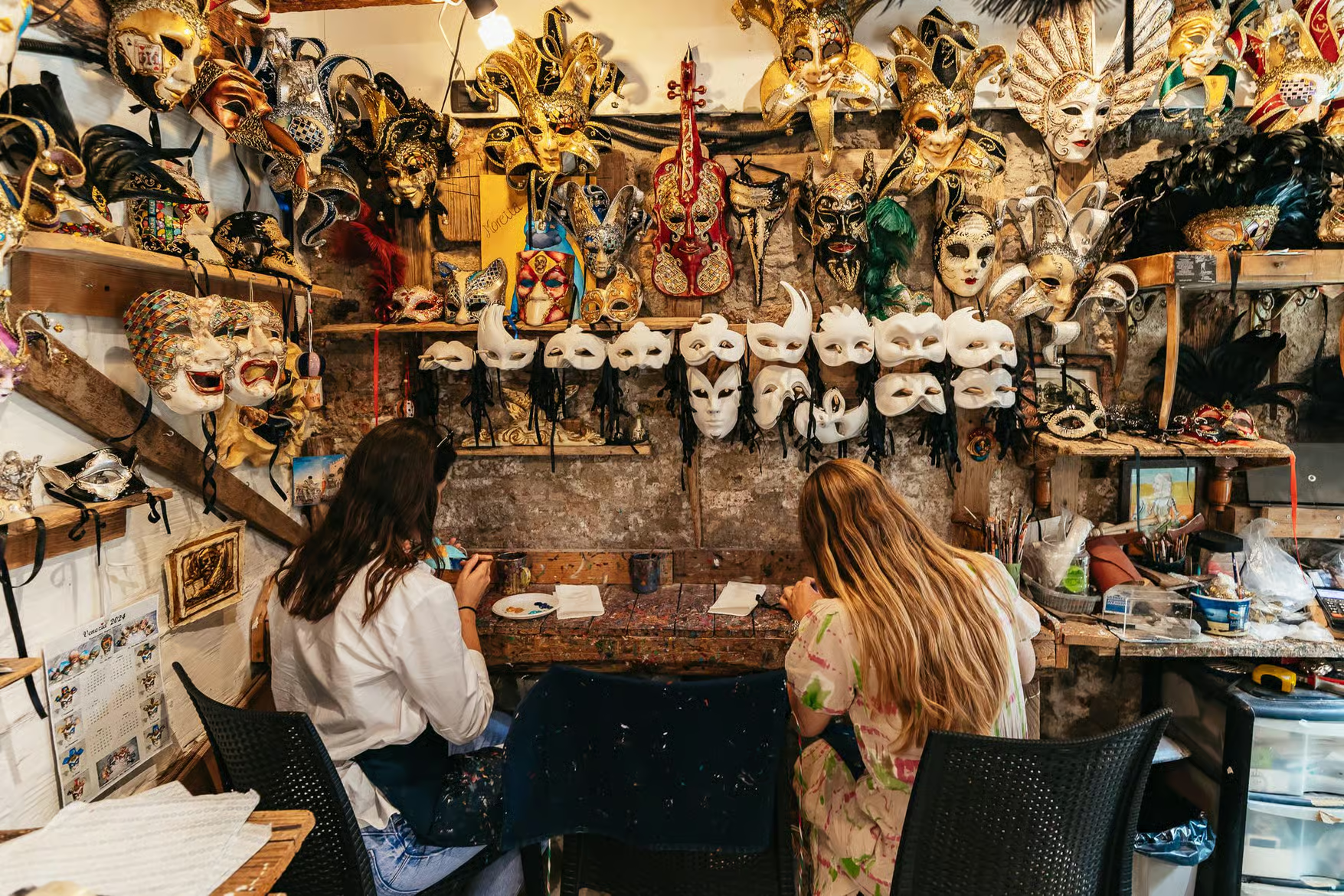
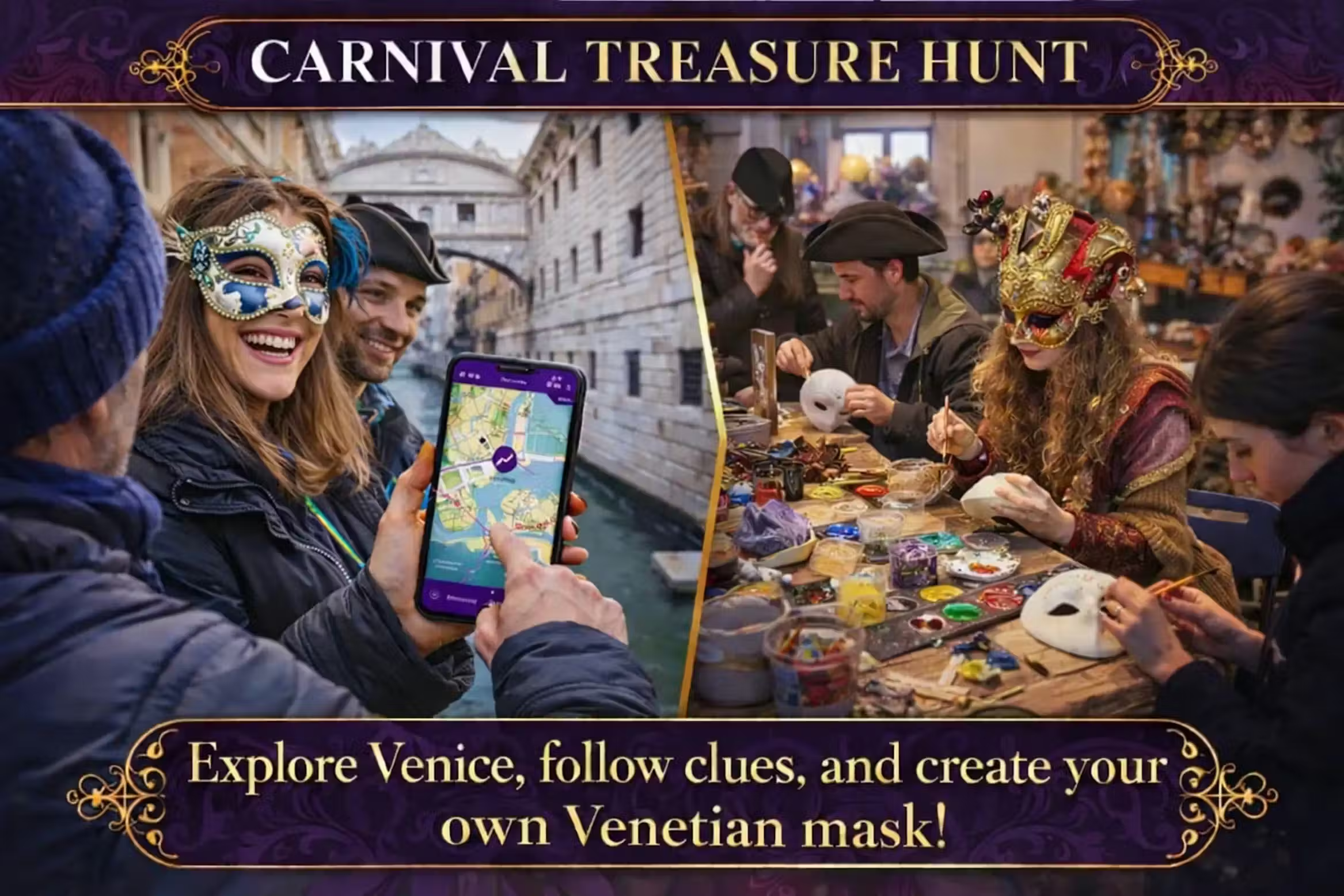
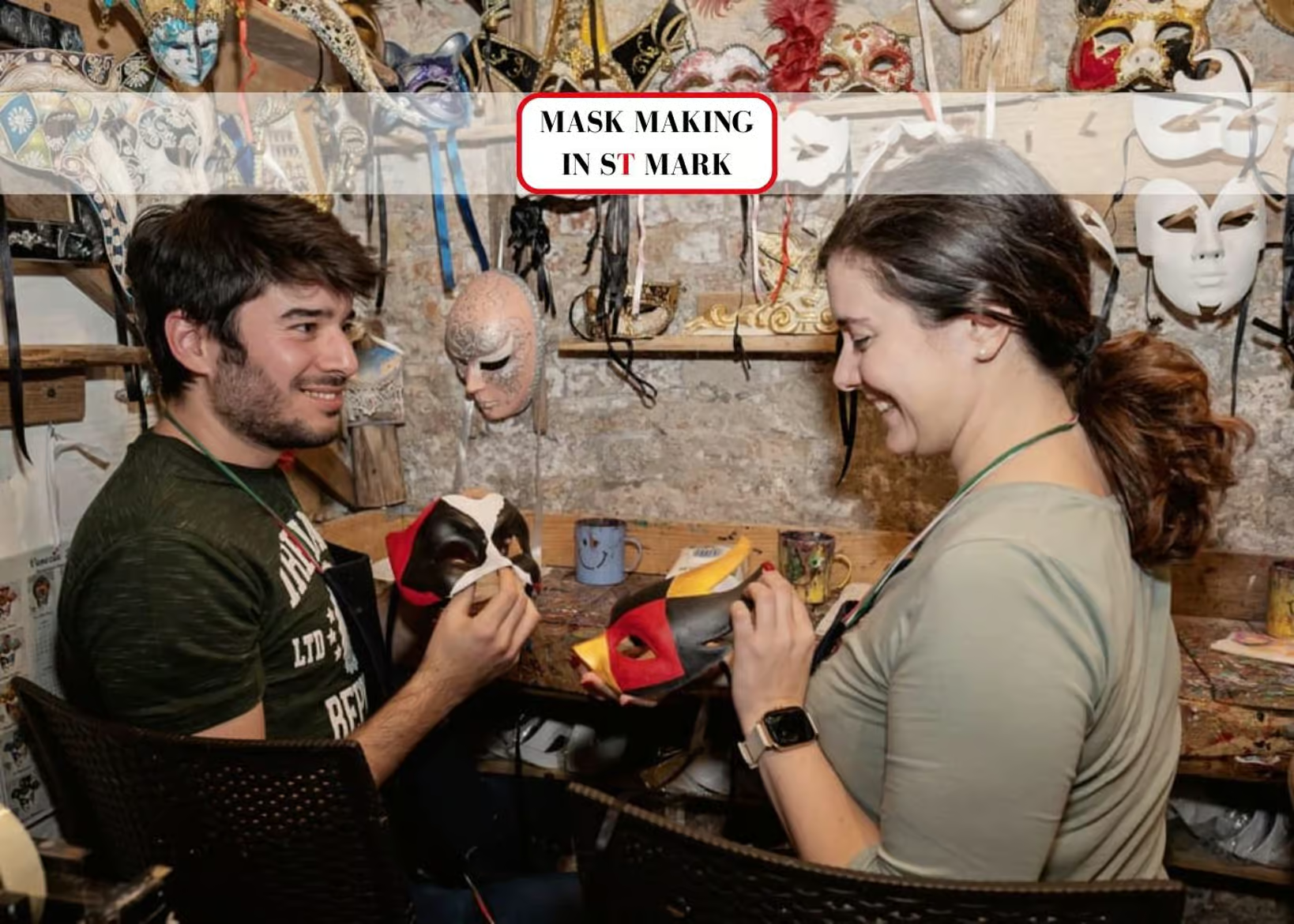
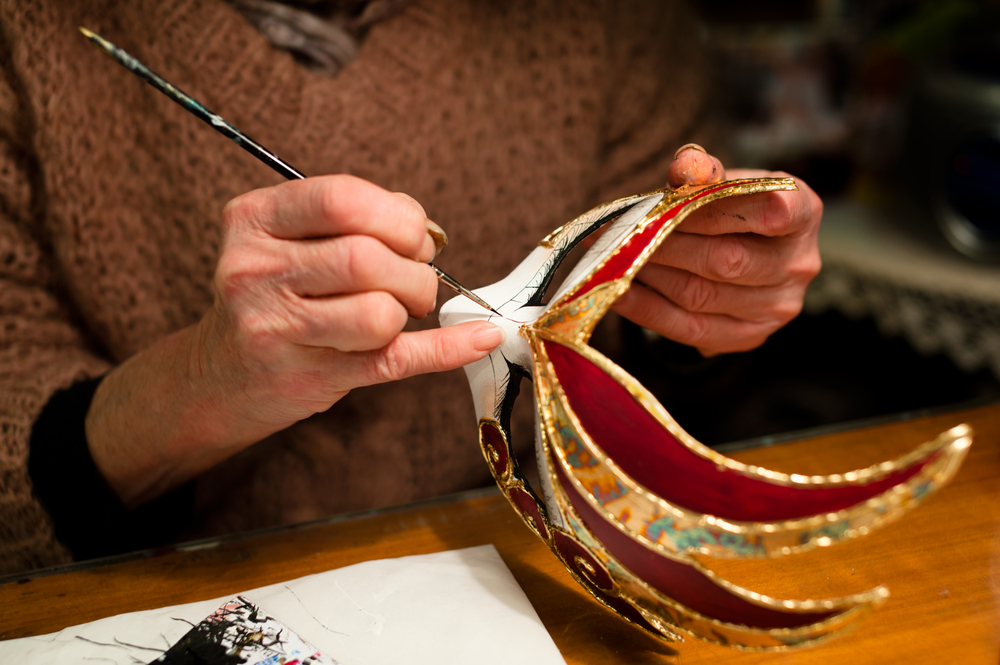
Masks are central to Venice Carnival, symbolizing mystery and tradition. Join a traditional mask-making workshop to design and paint your own Venetian mask, then wear it as you explore the city. It’s a hands-on way to connect with Carnival culture and fully immerse yourself in the festive atmosphere.
- Create your own mask and fully immerse yourself in Carnival by booking one of the traditional mask-making workshops listed here. →
4. Explore Venice at Night During Carnival
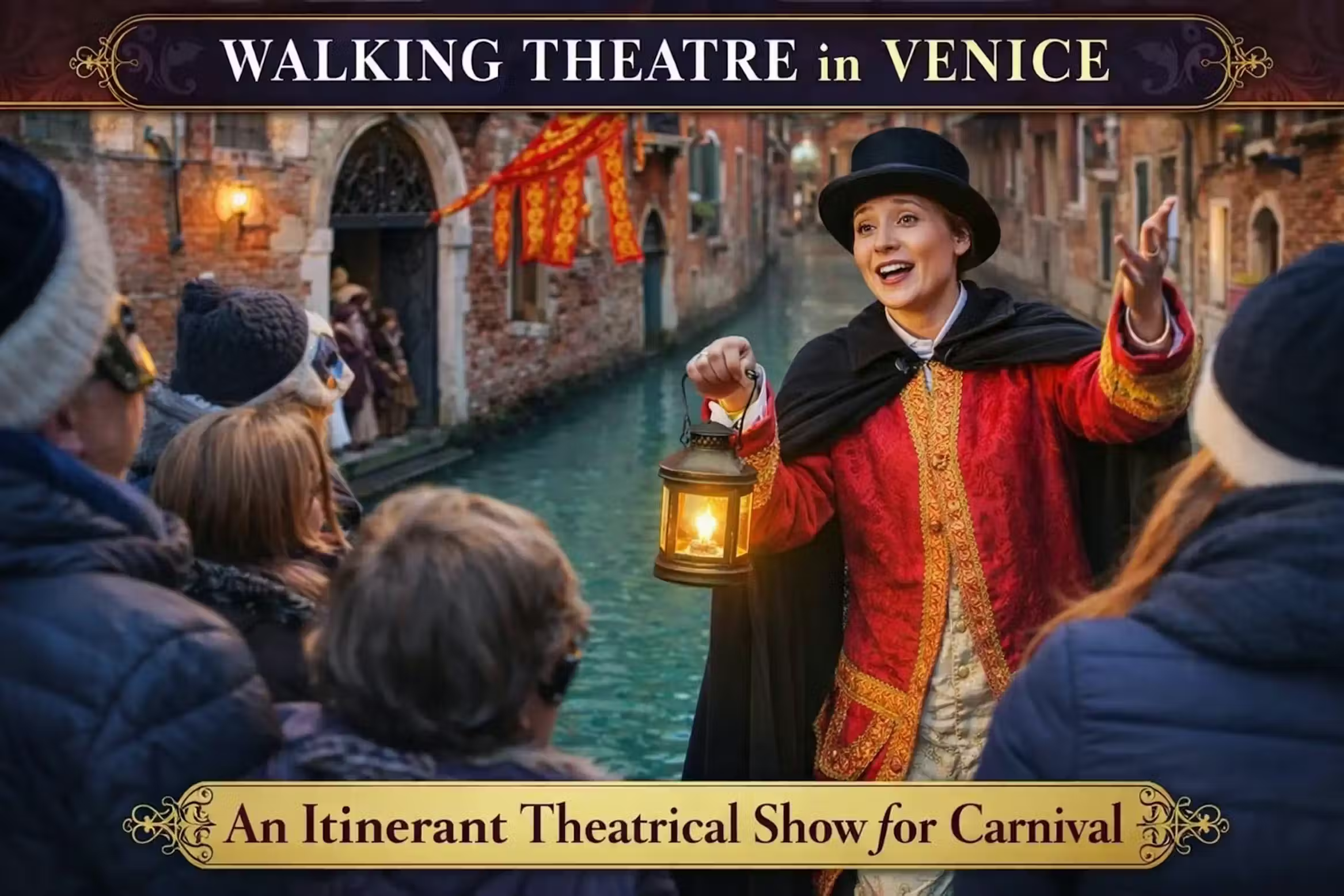
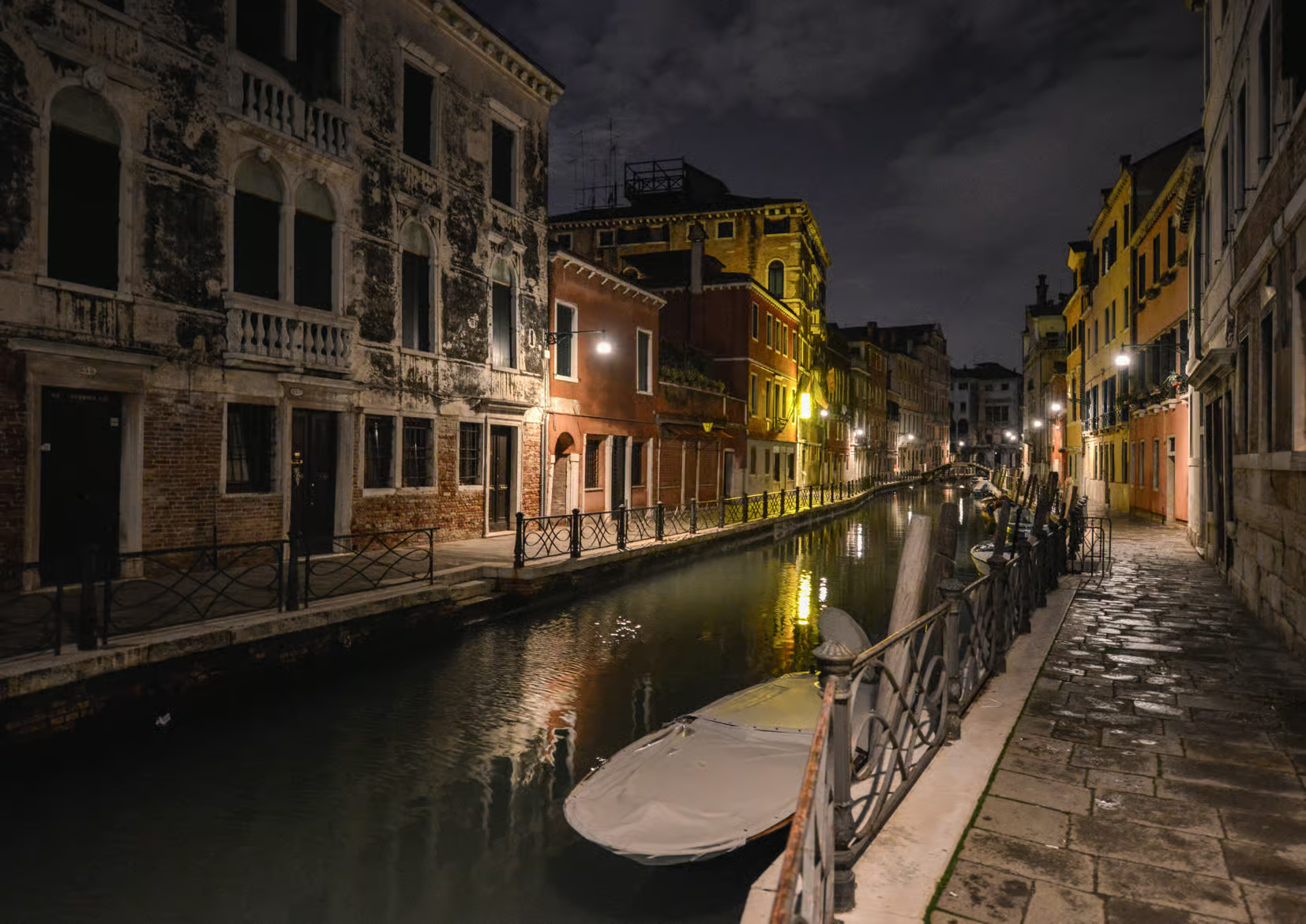
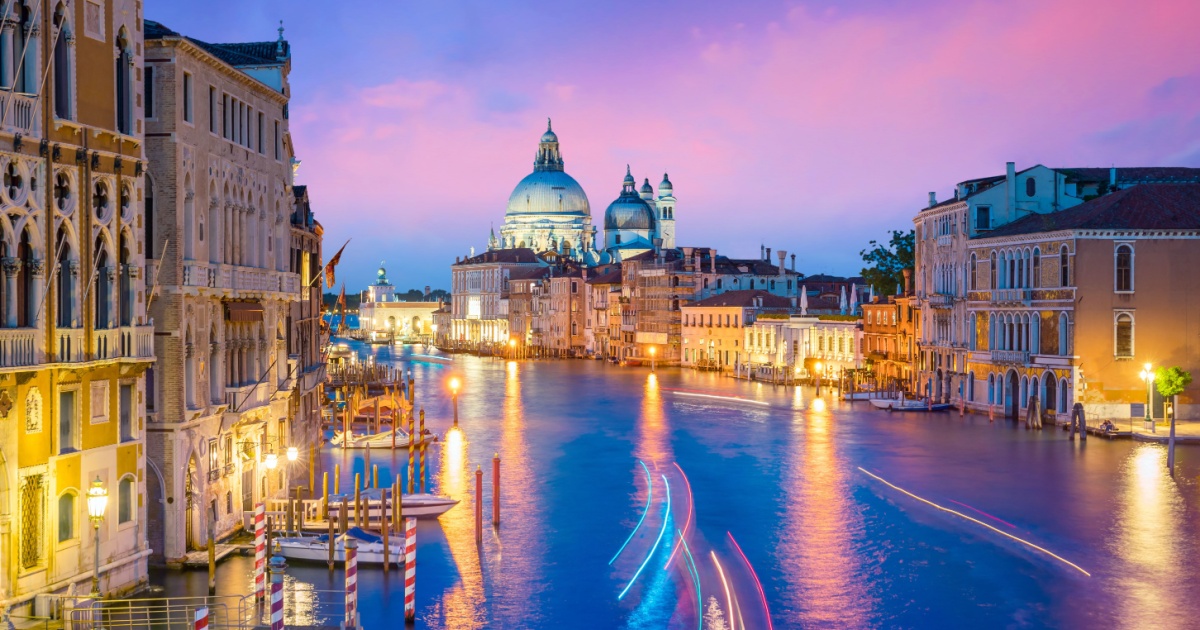
After sunset, Venice transforms into something truly magical. The crowds thin, lanterns glow along narrow alleys, and masked figures drift quietly across bridges and canals. Exploring Venice at night during Carnival feels intimate and cinematic, especially away from the main squares. Guided night tours or independent walks reveal a more mysterious side of the city, where every corner feels like a scene from a historical drama.
- Discover the city’s most atmospheric moments after dark with expert-led evening and night tours available here.
5. Take a Gondola Ride in Costume
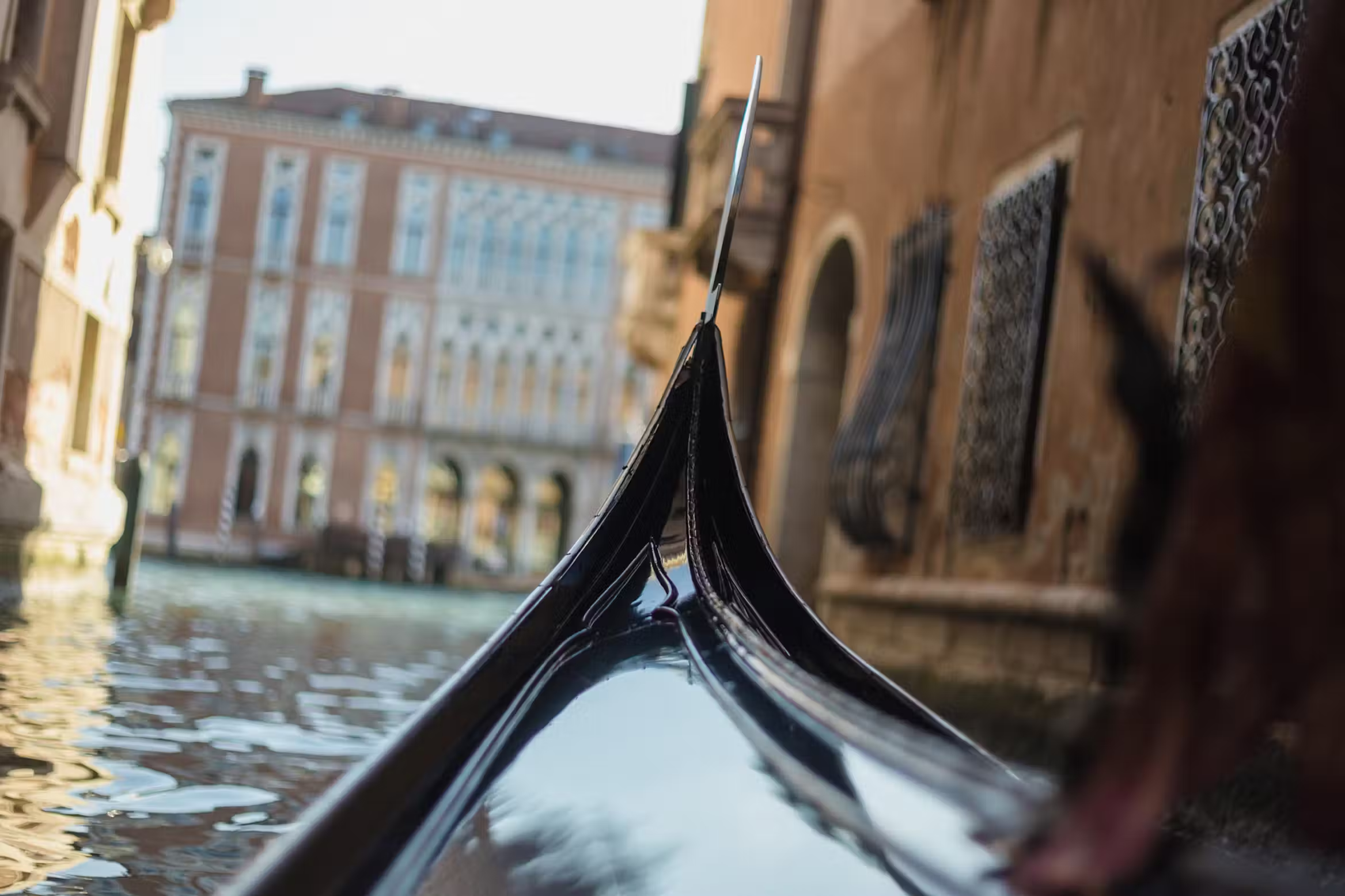
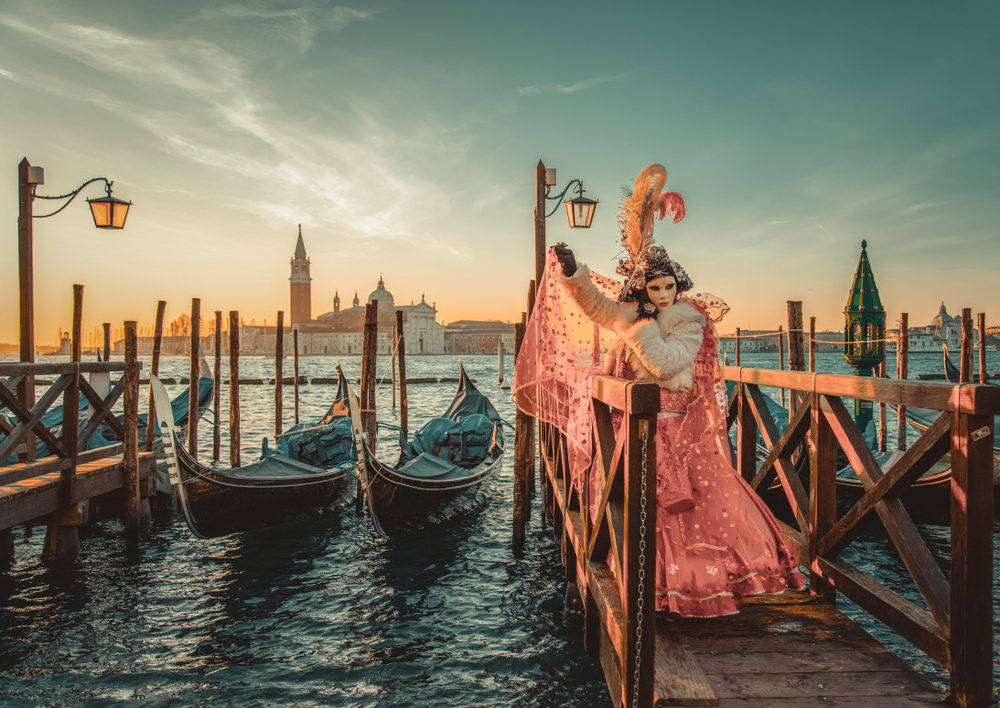
A gondola ride during Carnival elevates an already iconic experience. Wearing a mask as you glide through the canals creates unforgettable moments, especially along quieter waterways away from the Grand Canal. It’s one of the most photographed Carnival experiences and a favorite for couples. Whether by day or night, a masked gondola ride captures the romance and elegance Venice is famous for.
- For a romantic and iconic Carnival experience on the water, see the gondola and canal experiences you can book here. →
6. Visit Historic Cafés
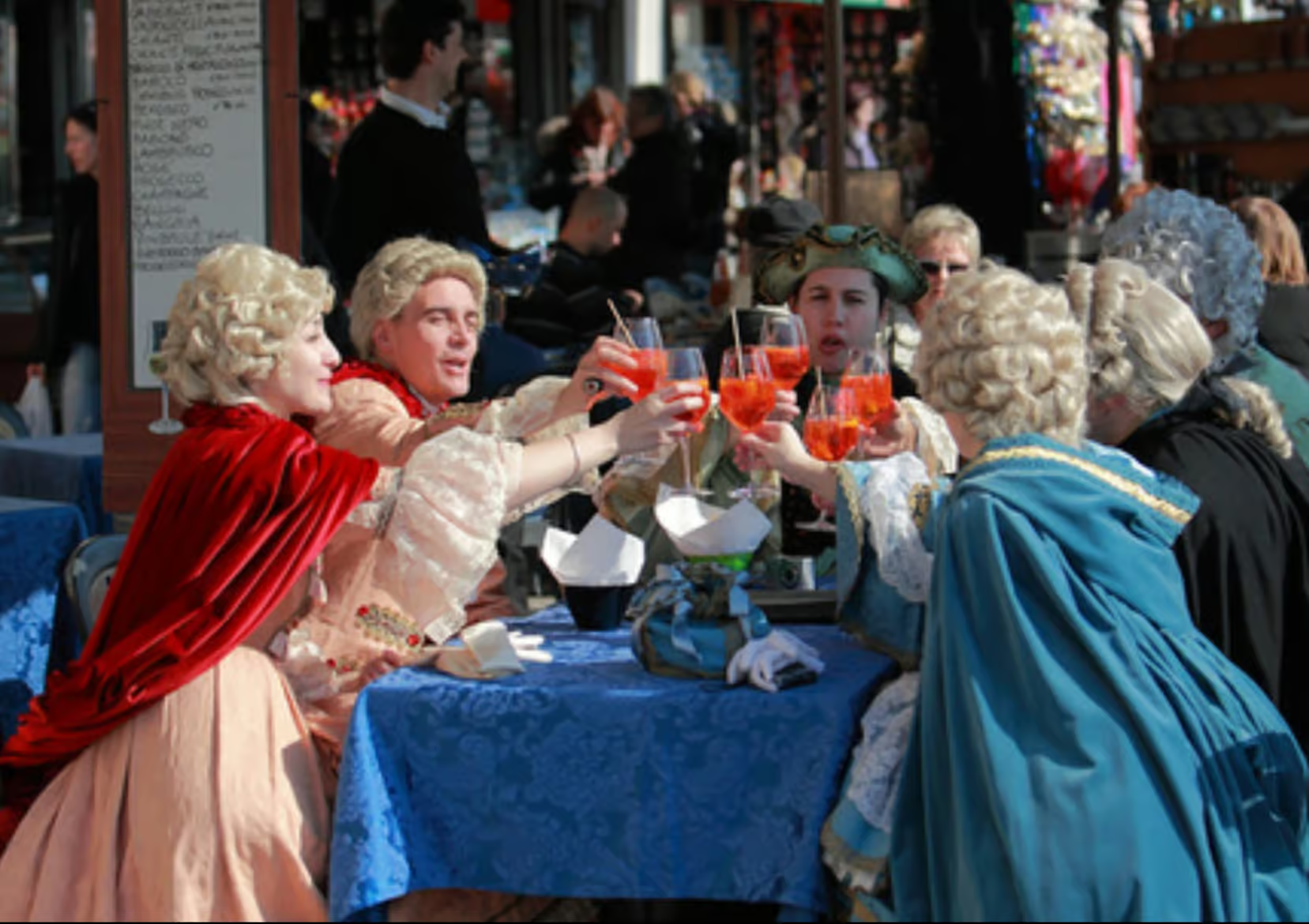
Venice’s historic cafés become part of the Carnival theater. At places like Caffè Florian and Caffè Quadri, masked guests sit among live orchestras, period décor, and candlelit tables. Even a short stop for coffee or hot chocolate feels like stepping back in time. These cafés are ideal for soaking in the atmosphere while watching Carnival unfold around you.
7. Enjoy Opera and Classical Concerts During Carnival
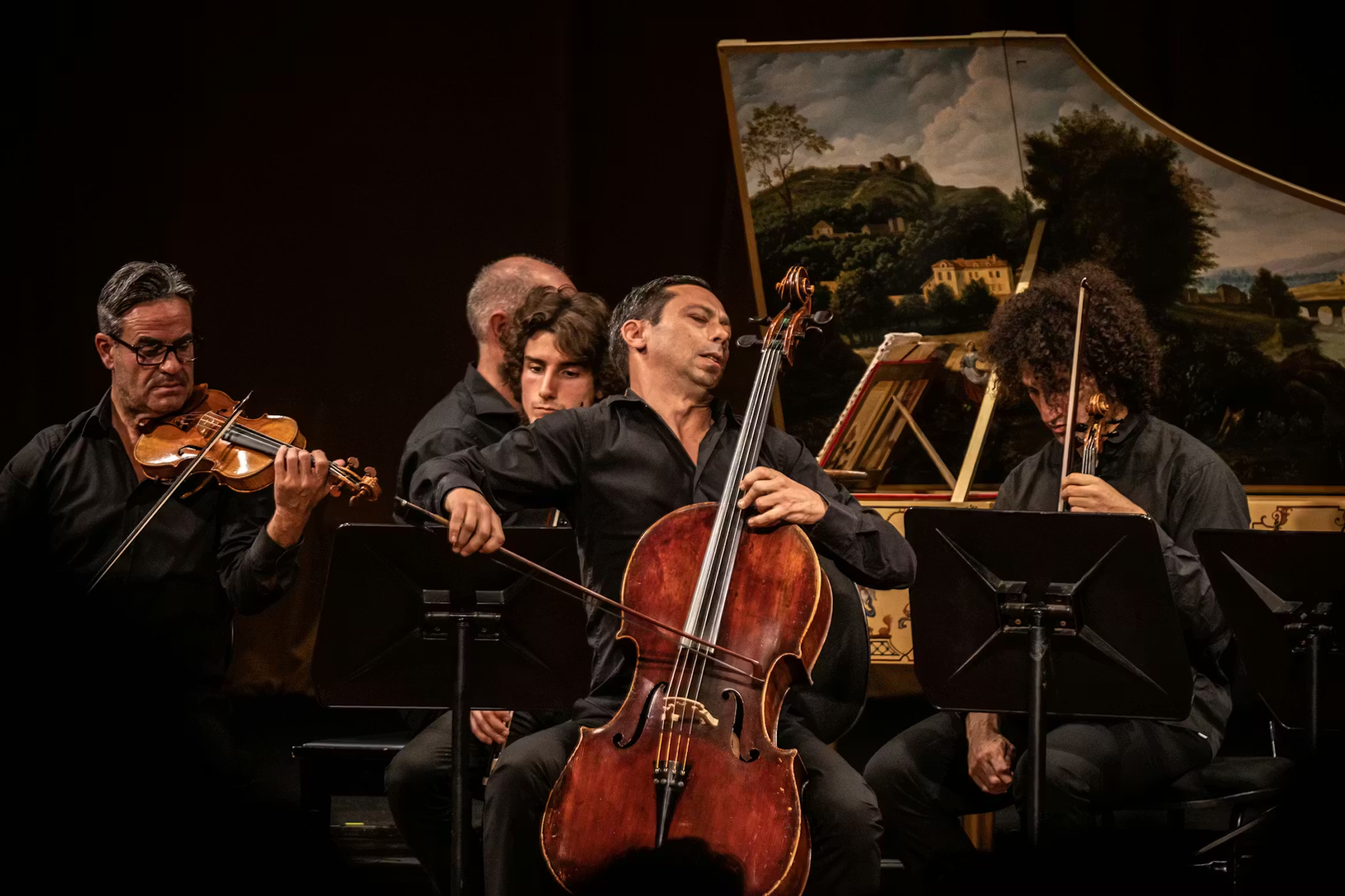
While not official Carnival events, Venice’s opera and classical concerts are exceptional evening experiences during the Carnival period. Historic venues, candlelit interiors, and world-class performances offer a refined contrast to daytime festivities and masked street celebrations. It’s an ideal option for travelers who want to experience Venice’s cultural side while visiting the city for Carnival.
- For elegant evening performances during your Carnival stay, explore the concerts and opera tickets featured on this page. →
Where to See the Best Carnival Atmosphere in Venice
What to Eat During Venice Carnival
Carnival season brings traditional Venetian sweets and comfort food.
Must-try Carnival treats:
• Frittelle Veneziane – fried dough with cream or raisins
• Galani (Crostoli) – thin, crispy Carnival pastries
• Cicchetti – small Venetian bites with wine
• Hot chocolate at historic cafés

Weather & What to Wear for Venice Carnival
February in Venice is cool, humid, and often misty, which adds to the city’s atmospheric charm. Daytime temperatures are usually chilly, and evenings can feel colder, especially near canals and open squares.
What to pack:
• Warm coat or insulated jacket suitable for damp weather
• Layered clothing for changing temperatures between indoors and outdoors
• Comfortable walking shoes, ideally water-resistant, as you’ll be on your feet most of the day
• Elegant outfit or smart attire for evening events and masked balls
• Venetian mask or costume accessories to blend into Carnival festivities
• Umbrella or waterproof jacket in case of rain or fog
If you’re visiting Venice during winter or Carnival season, explore our list with the best things to do in Venice when it rains.
What to wear to Carnival in Venice?
There is no strict dress code for Venice Carnival, but what you wear greatly shapes your experience. At minimum, wearing a traditional Venetian mask is encouraged and allows you to blend into the Carnival atmosphere.
For daytime sightseeing, comfortable winter clothing with a mask or elegant accessory is ideal. For evenings, especially masked balls or palace events, elegant attire or full historical costumes are common.
February weather is cold and humid, so warm layers, a coat, and comfortable walking shoes are essential. Many visitors rent costumes locally to enjoy the full Carnival experience without traveling with bulky outfits.
5 Tips for Experiencing Venice Carnival Like an Expert
Venice Carnival is unforgettable, but planning ahead makes a big difference in your experience.
- Book masked balls, workshops, and costume rentals well in advance, especially for weekends
- Visit Piazza San Marco early in the morning or after sunset for better photos and fewer crowds
- Prioritize comfort when wearing costumes, especially footwear
- Reserve restaurants for evenings well in advance, as popular spots fill up quickly during Carnival
- Choose guided Carnival tours or workshops to gain deeper insight into Venice’s traditions and history
- Reserve your hotel early, as accommodations in Venice sell out quickly during Carnival and prices rise closer to peak dates
The History of Venice Carnival
The origins of Venice Carnival date back to the 11th century, when it began as a celebration marking a military victory of the Republic of Venice. By the Renaissance, Carnival had evolved into one of Europe’s most famous social events, lasting for weeks and attracting visitors from across the continent.
Masks became central to Carnival culture because they erased social boundaries, allowing nobles and commoners to mix freely without distinction. This sense of anonymity encouraged creativity, expression, and freedom, values that still define Carnival today. Although the festival was banned in the late 18th century, it was officially revived in the 20th century and has since become one of the most iconic cultural events in Venice, preserving traditions while welcoming a global audience.
FAQs about Venice Carnival
Venice Carnival offers experiences for every travel style, from casual visitors to luxury seekers.
Top things to do include making your own Venetian mask and exploring the city, watching live performances in Piazza San Marco, attending an official masked ball, joining a Carnival walking tour, renting a historical costume for photos, taking a gondola ride in costume, and visiting historic cafés filled with masked guests. For deeper cultural insight, mask-making workshops and guided Carnival experiences are highly recommended. See the top-rated tickets in our curated list.
Venice Carnival 2026 is from January 31 to February 17, 2026.
Many parts of Venice Carnival are free to enjoy, including street performances, parades, and public celebrations across the city. However, the most immersive experiences, such as masked balls in historic palaces, mask-making workshops, costume rentals, gondola rides, and official Carnival shows, require tickets. These events have limited capacity and often sell out in advance, which is why we recommend booking from the curated ticket selection available on this page.
Costumes are not required to participate in Venice Carnival, but wearing a mask or costume greatly enhances the experience. Even a single mask allows you to feel part of the celebration and connect with centuries-old traditions. For those who want a deeper immersion, costume rentals and mask-making experiences are available and can be easily reserved through the Carnival tickets and tours featured on this page.
The Carnival of Venice is celebrated through a mix of free public festivities and ticketed cultural events across the city. Streets and squares fill with masked figures, live music, parades, and theatrical performances, especially around Piazza San Marco. Alongside these open celebrations, visitors can attend exclusive experiences such as masked balls, official dinner shows, workshops, guided tours, and cultural performances held in historic palaces and venues throughout Venice.
The Venice Carnival typically lasts around two and a half weeks. In 2026, it runs from January 31 to February 17, ending on Mardi Gras. While events take place throughout the entire period, the final week is the most intense, with the largest crowds, the most performances, and the highest demand for tickets and accommodations.
The most authentic way to make a Venice Carnival mask is by joining a traditional mask-making workshop in Venice. These workshops are led by local artisans who guide participants through painting and decorating classic Venetian mask styles such as the Bauta, Colombina, or Volto. Finished masks can be worn during Carnival or taken home as a handmade souvenir. DIY mask kits are also available, but in-person workshops offer a deeper cultural experience. >> Find the top-rated mask workshops in Venice here.
Yes, Venice Carnival is widely considered worth it, especially for travelers interested in culture, history, and unique experiences. The combination of centuries-old traditions, elegant costumes, live performances, and a citywide festive atmosphere makes it unlike any other carnival in the world. While the city can be crowded, careful planning and booking key experiences in advance allow visitors to fully enjoy the magic of Carnival in Venice.
>> Browse the top-rated experiences in Venice during Carnival here.
Venice Carnival is a celebration unlike any other: refined, historic, and deeply immersive. Whether you choose to attend a masked ball, create your own Venetian mask, explore the city with expert guides, or enjoy a concert or opera during Carnival season, planning ahead makes all the difference. This guide brings together the most authentic and carefully selected Venice Carnival experiences to help you enjoy the festival at its very best.
Copyright 2026 Italy Tourist Information, all rights reserved.